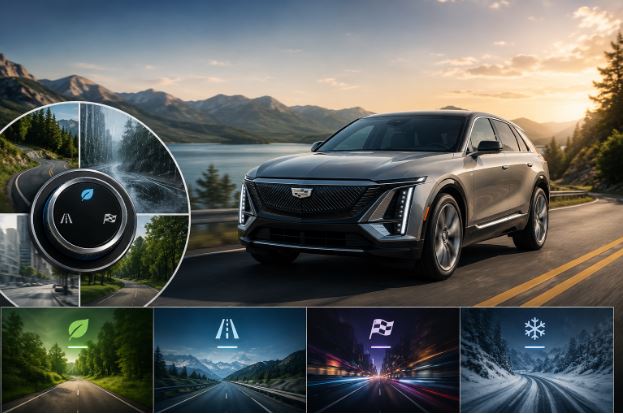
Electric vehicles continue changing the way people think about transportation. Modern EVs offer intelligent systems that automatically adjust vehicle behaviour depending on road conditions and driver preferences. One feature attracting increasing attention is the availability of multiple driving modes, which help drivers balance comfort, efficiency, and performance throughout different journeys.
Many EV owners also explore detailed resources, such as driving modes, to better understand how these settings influence everyday driving.
Understanding Driving Modes in Electric Vehicles
Unlike traditional petrol-powered vehicles, electric cars rely heavily on software to optimise performance. Different driving modes adjust how power is delivered, how quickly the vehicle accelerates, and how energy is managed during daily driving.
Instead of changing mechanical components, the vehicle’s computer modifies power delivery and regenerative braking to create different driving characteristics.
Why Manufacturers Offer Multiple Modes
Every driver has different priorities. Some prefer maximum efficiency for long-distance travel, while others want stronger acceleration for city traffic or highway driving.
Common reasons manufacturers include multiple driving modes include:
- Better driving comfort
- Improved energy management
- Smoother acceleration
- Enhanced traction
- More personalised driving experience
- Flexible vehicle performance
These settings allow drivers to adapt their vehicle without making physical adjustments.
Factors That Affect EV Efficiency
Although driving modes influence vehicle behaviour, overall efficiency depends on several additional conditions.
Important factors include:
- Outside temperature
- Driving speed
- Traffic conditions
- Road elevation
- Tyre pressure
- Cabin climate control
- Passenger weight
Combining efficient driving habits with suitable vehicle settings often produces the best overall driving experience.
Regenerative Braking Plays an Important Role
One technology that separates electric vehicles from traditional cars is regenerative braking. Instead of wasting energy while slowing down, electric vehicles recover part of that energy and return it to the battery.
Depending on the selected driving mode, regenerative braking may feel stronger or lighter, allowing drivers to choose the experience that feels most comfortable.
Daily Driving Becomes More Flexible
Modern electric vehicles are designed to handle different driving environments. City traffic, highways, rural roads, and changing weather conditions all require different levels of vehicle response.
Driving modes help optimise the vehicle for situations such as:
- Urban commuting
- Highway cruising
- Wet road conditions
- Heavy traffic
- Relaxed driving
- More responsive acceleration
This flexibility improves the overall ownership experience without requiring complicated adjustments.
Software Continues Improving Electric Vehicles
Today’s electric vehicles receive software improvements much more frequently than traditional cars. Manufacturers regularly introduce updates that improve battery management, driving behaviour, navigation systems, and overall efficiency.
These software improvements allow vehicles to become smarter throughout ownership while helping drivers enjoy improved performance over time.
Choosing the Best Driving Mode
There is no single driving mode that works perfectly for every situation. Drivers often select different settings depending on their daily needs.
For example:
- City driving may prioritise smoother energy use.
- Highway travel may focus on consistent cruising.
- Challenging weather may benefit from stability-focused settings.
Understanding how these options work helps drivers enjoy a more personalised driving experience.
Electric Vehicles Continue Evolving
Battery technology, intelligent software, and energy management systems continue advancing every year. Manufacturers now focus on creating vehicles that combine performance, comfort, and efficiency while giving drivers greater control through digital vehicle settings.
Learning how these technologies operate helps owners make better use of their electric vehicles in everyday situations.
Final Thoughts
Electric vehicle technology continues becoming more intelligent, giving drivers greater flexibility through software-controlled driving systems. Understanding how different settings influence vehicle behaviour helps owners enjoy a smoother and more efficient driving experience across different road conditions.
Readers interested in learning more about electric vehicles, technology, health, business, and other educational topics can also explore PureHealthNest for additional informative articles.