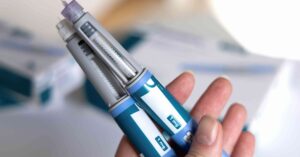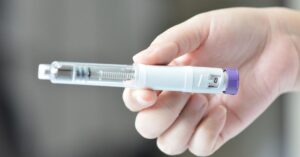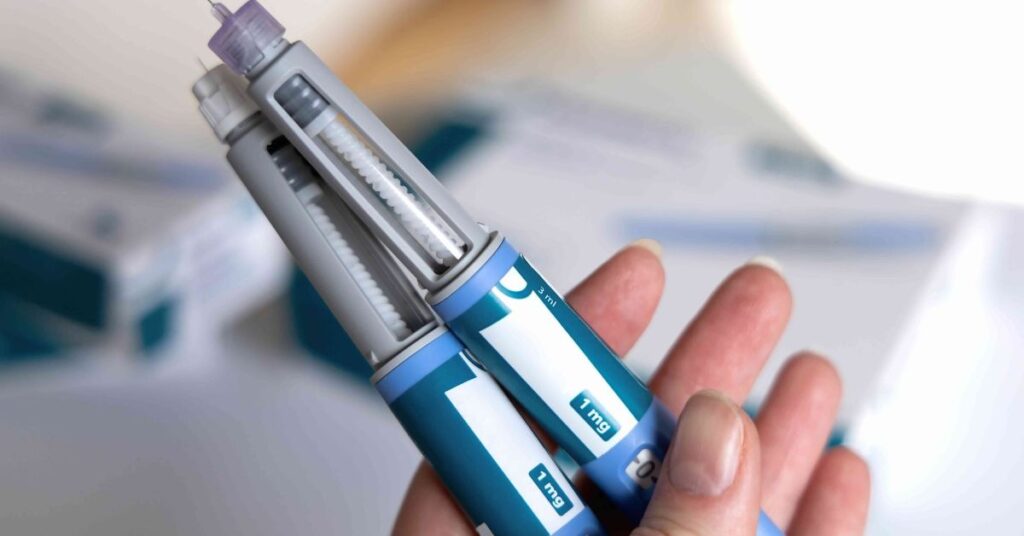
A Wegovy treatment journey usually involves several stages, from the initial medical evaluation and starting dose to gradual dose increases, lifestyle changes, progress monitoring, and long-term weight management. Wegovy contains semaglutide, a GLP-1 receptor agonist that can reduce appetite and calorie intake. It is used alongside a reduced-calorie diet and increased physical activity for eligible patients. AM Rx provides medical weight management support and may prescribe wegovy weight loss prescription when a healthcare provider determines that it is appropriate.
Every person’s experience can be different. Some people notice appetite changes during the early weeks, while others experience gradual changes over several months. The goal is not simply to reach a lower number on the scale but to develop a sustainable approach to weight management while monitoring treatment response and overall health.
Starting With a Medical Evaluation
The journey typically begins with a medical evaluation to determine whether Wegovy is appropriate. A healthcare provider may review weight, medical history, existing health conditions, current medications, lifestyle habits, and other factors that can influence treatment. This helps establish whether prescription weight management treatment is suitable.
Medical evaluation is also important for identifying potential safety concerns. Wegovy has specific contraindications and warnings, so healthcare providers need relevant medical information before treatment begins. This evaluation provides the foundation for creating an appropriate weight management plan.
Beginning With a Lower Dose
For injectable Wegovy, treatment generally begins with 0.25 mg once weekly for the first four weeks. The starting dose is intended to help the body adjust to treatment and reduce the likelihood of gastrointestinal side effects during the early period.
The dose is then gradually increased, generally every four weeks, based on the prescribed schedule and individual tolerability. The usual maintenance dose for weight reduction in adults is 1.7 mg or 2.4 mg once weekly, with 2.4 mg being the recommended maintenance dose. A healthcare provider may adjust the treatment approach when needed.
Adjusting During the Early Weeks
The early weeks can involve an adjustment period as the body becomes accustomed to semaglutide. Some people may notice reduced hunger or feel satisfied with smaller portions, while others may experience more gradual changes.
Gastrointestinal effects can also occur during treatment. Nausea, diarrhea, vomiting, constipation, abdominal discomfort, and other digestive symptoms are among the commonly reported side effects. If symptoms become persistent or difficult to manage, communicating with a healthcare provider is important.
Gradual Changes in Appetite and Eating Habits
As Wegovy begins affecting appetite, some people may find that they naturally eat smaller portions. The medication can influence appetite regulation and calorie intake, which may make it easier to follow a reduced-calorie eating pattern.
These changes can also create an opportunity to develop healthier eating habits. Choosing nutrient-dense foods, eating slowly, paying attention to fullness, and maintaining adequate protein and fiber intake can support nutrition while appetite is reduced.
Building Nutrition Into the Routine
Wegovy is intended to be used alongside a reduced-calorie diet, so nutrition remains an important part of treatment. A balanced eating pattern can include lean protein, vegetables, fruits, whole grains, and healthy sources of fat based on individual nutritional needs.
The goal is not to follow an extremely restrictive diet. Eating too little can make it difficult to obtain enough nutrients and maintain energy. A sustainable eating routine can work alongside the appetite-related effects of Wegovy while supporting long-term health.
Adding Regular Physical Activity
Physical activity is another important part of the Wegovy treatment journey. Regular movement can support cardiovascular health, muscle strength, mobility, fitness, and overall energy expenditure.
Exercise can be adapted to individual ability and preferences. Walking, cycling, swimming, resistance training, and other activities can all contribute to a more active lifestyle. Starting with manageable activity and gradually building consistency can make the routine easier to maintain.
Monitoring Weight Loss Over Time
Weight loss with Wegovy generally develops over an extended period rather than happening immediately. The number on the scale can fluctuate from day to day because of hydration, digestion, sodium intake, and other factors, so longer-term trends provide a more useful picture of progress.
Healthcare providers may also consider changes beyond body weight. Waist measurements, physical activity, appetite, eating habits, health markers, and overall well-being can provide additional information about how treatment is progressing.
Continuing Dose Adjustments When Appropriate
As treatment progresses, the Wegovy dose may increase according to the prescribed schedule. Each increase gives the body time to adjust before moving to the next dosage level. If a dose is not well tolerated, the prescribing information allows for consideration of delaying escalation.
Patients should not increase, decrease, or change their Wegovy dose independently. The appropriate dose depends on treatment response and tolerability. Regular medical follow-up helps determine whether the current dosage remains suitable.
How AM Rx Can Support the Treatment Journey
AM Rx provides medical weight management services for eligible patients and may prescribe Wegovy when clinically appropriate. Its program also includes weight loss coaching, nutrition and fitness support, and progress tracking, helping patients address lifestyle habits alongside medication.
Ongoing support can be useful as appetite, weight, and treatment needs change. AM Rx can help eligible members stay connected with their care team while monitoring progress and working on practical nutrition and fitness habits that support long-term weight management.
Managing Side Effects Along the Way
Side effects can be part of the Wegovy treatment experience, particularly during periods of dosage adjustment. Gastrointestinal symptoms are among the most common concerns and may affect eating, hydration, exercise, and daily routines.
Medical guidance is important when symptoms are severe, persistent, or interfere with normal activities. Healthcare providers can assess treatment tolerance and determine whether additional management or changes to the treatment plan are appropriate.
Developing Long-Term Habits
As treatment continues, the focus can shift from simply adjusting to Wegovy toward maintaining healthy routines. Consistent nutrition, regular physical activity, adequate hydration, quality sleep, and stress management can all contribute to long-term weight management.
The habits developed during treatment can remain useful even when weight loss slows. Sustainable routines are generally more practical than temporary restrictions because they can continue as part of everyday life.
Maintaining Weight Loss
Wegovy is also approved to help maintain weight reduction over the long term in eligible patients. Maintaining progress can require continued attention to eating habits, physical activity, and medical care.
Some people may experience changes in weight after stopping treatment, which makes long-term planning important. Decisions about continuing or changing treatment should be made with a healthcare provider based on individual circumstances and health goals.
Reviewing Progress With a Healthcare Provider
Regular follow-up allows the treatment journey to be evaluated over time. A healthcare provider can review weight trends, appetite changes, side effects, lifestyle habits, and other health factors to determine whether the current approach remains appropriate.
This ongoing evaluation can also help set realistic expectations. Clinical study averages provide useful information, but individual weight loss varies. A person’s progress should be considered within the context of their overall health and response to treatment.
Final Thoughts
A typical Wegovy treatment journey begins with medical evaluation, followed by a low starting dose and gradual dose increases. As treatment continues, patients may experience changes in appetite and eating habits while working on nutrition, physical activity, and other lifestyle factors. Regular monitoring helps ensure that treatment remains appropriate and well tolerated.
The journey is different for everyone, and meaningful weight management usually takes time. AM Rx combines medical weight management with Wegovy access for eligible patients, coaching, nutrition and fitness guidance, and progress tracking. This broader approach can help make Wegovy part of a sustainable long-term weight management plan.