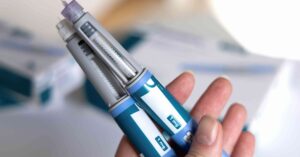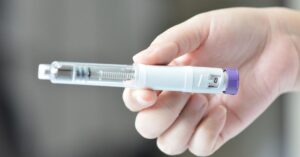
Zepbound can begin affecting appetite after treatment starts, but the timing varies from person to person. Some people may notice reduced hunger or feel satisfied with smaller portions relatively early, while others may experience more noticeable changes after several weeks. The response can also change as the prescribed dose gradually increases.
FitRx provides online weight management care for eligible patients who may benefit from Zepbound. Its licensed providers evaluate each patient’s health information before deciding whether a GLP-1 medication is appropriate as part of a Zepbound weight loss treatment plan.
When Can Zepbound Start Reducing Appetite
Some people notice appetite changes during the first week of treatment. Early effects may include feeling full sooner, having fewer cravings, or finding it easier to control portion sizes.
However, there is no specific day when appetite suppression should begin for everyone. Zepbound treatment starts with a low dose, and the medication may be gradually increased based on how the patient responds and tolerates treatment.
Why Does Zepbound Affect Appetite
Zepbound contains tirzepatide, which activates GIP and GLP-1 receptors involved in appetite regulation. This can help reduce hunger and food intake while increasing feelings of fullness.
Tirzepatide also slows gastric emptying, which can contribute to feeling satisfied for longer after eating. These effects can make it easier for some people to consume fewer calories as part of a medically guided weight management plan.
Can Appetite Suppression Increase Over Time
Appetite effects may become more noticeable as treatment continues. Because Zepbound dosing can gradually increase, some patients experience stronger effects after moving to a higher prescribed dose.
This does not mean everyone needs the highest dose. The appropriate dose depends on individual response, tolerability, and medical considerations. FitRx providers can monitor progress and determine whether a dosage adjustment is appropriate.
What Can Affect Your Response to Zepbound
People can respond differently to the same medication. The starting dose, treatment duration, dose changes, eating habits, physical activity, and individual health factors can all influence how quickly appetite changes become noticeable.
Not experiencing significant appetite suppression immediately does not necessarily mean Zepbound will not work. The medication is intended to be used consistently according to the prescribed treatment plan rather than judged after only a few doses.
How FitRx Supports Zepbound Treatment
FitRx provides online weight management care that can include prescription evaluation, ongoing medical support, coaching, nutrition guidance, and progress tracking. Eligible patients complete an online health assessment before a licensed provider reviews their information.
If Zepbound is clinically appropriate, the provider can establish a treatment plan and monitor the patient’s response. FitRx also provides secure communication with the care team, which can be useful when patients have questions about appetite changes, side effects, or their ongoing treatment.
What Should You Do if Appetite Does Not Change Quickly
If your appetite has not changed significantly during the early part of treatment, do not increase your Zepbound dose on your own. Give the medication time to work according to your prescribed schedule and discuss your response with your healthcare provider.
Maintaining balanced meals, adequate protein and fiber, regular physical activity, and good hydration can also support your overall weight management plan. Your FitRx weight-loss coach can provide guidance around nutrition and lifestyle habits when coaching is included in your care plan.
Final Thoughts
Zepbound may begin affecting appetite relatively early, with some people noticing reduced hunger or increased fullness during the first week. For others, the effects may become clearer over several weeks as treatment continues and the dose is adjusted.
FitRx can provide medical evaluation and ongoing weight management support for eligible patients considering Zepbound. Because individual responses differ, your healthcare provider should guide dosing decisions and help determine whether your treatment is producing the desired results.