Key Takeaways
- Digital textile printing empowers manufacturers to create complex, high-precision designs with little waste.
- Expanding compatibility across many fabric types is opening new markets and applications.
- Automation and AI are making textile production faster, smarter, and less prone to errors.
- Sustainable technologies are reducing environmental impact in the textile supply chain.
Table of Contents
- Evolution of Digital Textile Printing
- Expanding Fabric Compatibility
- Automation and AI Integration
- Sustainability in Digital Printing
- Future Trends
- Conclusion
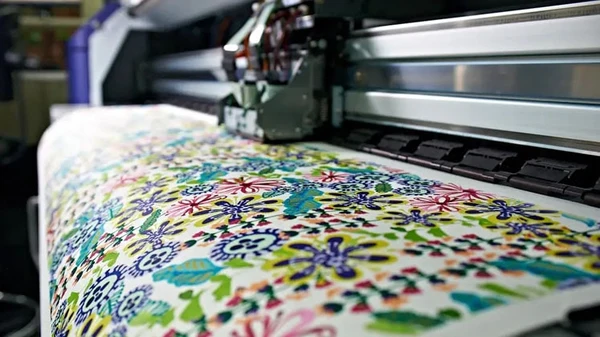
Digital textile printing has dramatically altered the landscape of fabric production, empowering creators with unmatched flexibility and creativity. As technological innovation accelerates, manufacturers can now produce intricate, custom designs with high efficiency, limited waste, and greater sustainability. Techniques such as the AI pattern generator have further enabled designers to push the boundaries of what is possible, bringing a new level of accessibility to complex pattern creation for both large-scale and boutique applications.
Modern printers can accommodate a variety of fabrics, allowing for rapid adaptation to changing market demands. Automation and artificial intelligence are reducing the need for manual intervention and errors, streamlining processes from design to finished product. Meanwhile, sustainability continues to be integrated into every facet of digital textile printing, addressing the environmental challenges the industry has faced for decades.
Evolution of Digital Textile Printing
Since the late 1980s, digital textile printing has seen transformative growth, evolving from a potential substitute for screen printing into a powerhouse of customization and speed. Early systems relied on inkjet technology, which allowed detailed designs to be transferred directly onto fabrics without lengthy prepress procedures. This process enables brands to respond quickly to marketplace trends, produce short runs, and experiment with prototypes without major investment or waste. According to Forbes, digital methods sharply reduce time from concept to finished product compared to traditional fabric printing, fundamentally changing supply chain dynamics.
As this technology matures, established textile manufacturers and new entrants alike are turning to digital systems to revolutionize their design processes. Fashion brands can now iterate their seasonal collections more quickly, facilitating the rise of fast fashion. Meanwhile, smaller studios and independent artists can compete on quality and creativity without the financial barrier that once separated large and small industry players. The democratization of textile production is not only fostering more innovative products but also encouraging inclusivity among global creators, whose visions may once have remained unrealized due to costs or technical constraints.
Expanding Fabric Compatibility
One of the hallmarks of digital textile printing is the expansion of compatible materials. Historically limited to cotton and natural fibers, new ink chemistries and heat-transfer technologies enable printing on synthetics, such as polyester and performance fabrics. Companies like Kornit Digital have introduced solutions that specifically address issues such as dye migration, a common challenge with polyester materials, enabling sharp, lasting colors on a wide variety of substrates.
This adaptability enables brands to diversify their offerings, catering to sportswear, fast fashion, home décor, and promotional markets with equal ease. Print service providers are leveraging fabric compatibility to attract new business and reduce inventory risks associated with traditional, fabric-specific processes.
Garments and textiles used in activewear, interior design, and technical industries now benefit from the vibrant and long-lasting results afforded by these expanded printing technologies. As designers experiment with cross-material applications, the ability to produce consistent, high-quality visuals across product lines is fostering new aesthetic trends and opening doors to innovative product development methods. Additionally, hybrid fabrication techniques, incorporating digital printing alongside embroidery or laser cutting, are driving even more visually stunning results, results impossible or impractical with previous methodologies.
Automation and AI Integration
Automation and AI are transforming textile manufacturing. OnPrintShop’s AI-driven management links order procurement, design checks, scheduling, and logistics, reducing bottlenecks, costs, and errors. AI quality inspection and pattern replacement ensure fabric consistency and reduce reprints. Improved machine learning speeds up error detection and predicts maintenance needs, reducing downtime and extending equipment life. Customer feedback is integrated into software, refining quality, shortening development cycles, and boosting satisfaction, helping businesses stay competitive.
Sustainability in Digital Printing
The textile industry is making meaningful strides toward sustainability by reducing energy consumption, limiting water use, and curbing waste. Modern digital printing minimizes water requirements by using water-based inks and avoiding resource-intensive washouts associated with analog processes. Automation, as seen in PrintFactory’s workflow solutions, enables precise color calibration for every print job, substantially reducing the risk of misprints and, consequently, textile waste.
Additionally, print-on-demand models eliminate the risk of overproduction and excess inventory. By tailoring production quantities to real-time market demand, brands can significantly shrink their environmental footprint while balancing operating costs.
Furthermore, digital textile technology is increasingly using eco-friendly inks derived from renewable resources, which contribute to healthier work environments and products that are safe for end consumers. Life cycle analysis tools are being integrated into production planning to measure and minimize each role in the supply chain’s carbon footprint. This holistic approach, starting from raw material sourcing to end-user delivery, positions digital textile printing as a leader in environmentally conscious manufacturing for the years to come.
Future Trends
As digital textile printing advances, emerging trends include innovations in ink for bolder, durable, eco-friendly colors, as well as smart textiles with embedded technology for interactive clothing and home goods. Future developments involve more recycled and organic materials, enhancing sustainability. Integration of design software with cloud-based platforms will enable real-time supply chain collaboration, speeding up market cycles. Looking ahead, augmented reality and 3D visualization will allow virtual previews of garments and interiors, improving decision-making and reducing waste. These converging technologies will make manufacturing more agile, trend-responsive, globally collaborative, and environmentally focused.
Conclusion
Digital textile printing is reshaping the way fabrics are designed, manufactured, and brought to market. Its ability to facilitate highly customized, efficient, and environmentally responsible production offers a glimpse into the future of textile manufacturing. With continued advances in automation, artificial intelligence, and sustainability, this dynamic field is poised to unlock new creative and commercial opportunities for designers and brands worldwide.