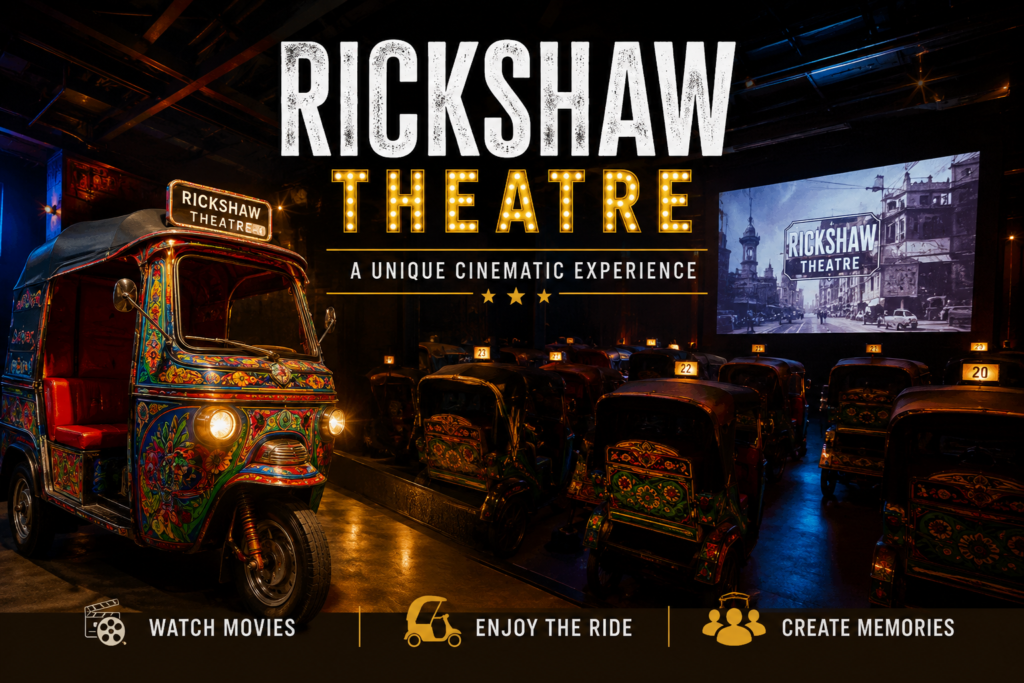
A moving stage transforms ordinary streets into an unforgettable adventure.
Have you ever imagined stepping into a game world while riding through a bustling city street? That idea is at the heart of rickshaw theatre, a fascinating concept that combines immersive storytelling, performance art, and gaming-style interaction. As gaming continues to evolve beyond screens, rickshaw theatre represents a creative approach that turns audiences into active participants rather than passive viewers.
In a world where players crave deeper engagement, experiences like rickshaw theatre show how gaming principles can influence real-world entertainment in surprising ways.
The Rise of Rickshaw Theatre in Interactive Entertainment
The entertainment industry has changed dramatically over the last decade. Traditional forms of storytelling are increasingly blending with interactive technology and gaming mechanics.
Rickshaw theatre stands out because it creates a moving stage where audiences become part of the narrative. Instead of sitting in a fixed location, participants travel through environments that shape the story in real time.
The result is an experience that feels both personal and unpredictable.
Why Gamers Are Interested in Rickshaw Theatre
Gaming has always been about participation. Players influence outcomes, solve challenges, and explore worlds.
Rickshaw theatre taps into those same motivations.
Player Agency Matters
One reason modern games are successful is that players have choices. Similarly, many rickshaw theatre productions allow participants to:
These mechanics create a sense of ownership that traditional theater often lacks.
Exploration Becomes Part of the Story
Open-world games encourage exploration. Rickshaw theatre transforms real streets, neighborhoods, and landmarks into part of the narrative landscape.
Every turn can reveal a new character, challenge, or story element.
A Journey Through the Streets: The Storytelling Power of Rickshaw Theatre
Imagine arriving at a busy city square just before sunset. A colorful rickshaw decorated with mysterious symbols waits nearby. The driver hands you a weathered envelope containing your first clue. As you climb aboard, the journey begins.
The rickshaw moves slowly through winding streets while actors appear unexpectedly along the route. Some offer information. Others create obstacles. You quickly realize that every decision matters. Should you trust the merchant whispering secrets from a market stall? Or follow the musician whose song seems to hide coded instructions?
As the adventure unfolds, the city transforms into a living game map. Familiar locations suddenly feel magical. Participants collaborate, solve riddles, and uncover hidden pieces of a larger mystery. Unlike traditional gaming, where environments are digitally rendered, the world around you is completely real. The sounds, sights, and interactions create an unforgettable level of immersion.
By the end of the journey, players are no longer merely spectators. They have become heroes inside a moving story. This combination of urban exploration, theatrical performance, and game design demonstrates why rickshaw theatre continues to capture the imagination of entertainment enthusiasts worldwide.
Gaming Elements That Make Rickshaw Theatre Special
Quest-Based Progression
Most successful gaming experiences provide clear objectives.
These structures keep participants engaged from beginning to end.
Real-Time Decision Making
Unlike scripted entertainment, interactive experiences thrive on uncertainty.
This replayability mirrors what gamers enjoy in modern narrative-driven titles.
Cooperative Gameplay
Many productions encourage teamwork.
This social aspect strengthens immersion and creates memorable experiences.
Technology’s Role in Modern Rickshaw Theatre
Technology helps bridge the gap between gaming and live performance.
Innovative productions may use:
Mobile Applications
Augmented Reality Features
AR technology can overlay digital content onto real-world environments.
Location-Based Triggers
GPS technology allows stories to evolve as participants move through specific areas.
This technique resembles location-based mobile games while maintaining theatrical authenticity.
The Cultural Appeal of Rickshaw Theatre
One reason rickshaw theatre attracts attention is its connection to local culture.
Traditional rickshaws have historical significance across many regions. By incorporating them into interactive storytelling, creators blend heritage with innovation.
The result is an experience that feels both modern and culturally meaningful.
Lessons Game Developers Can Learn From Rickshaw Theatre
Game designers constantly seek new ways to improve immersion.
Rickshaw theatre demonstrates several valuable principles:
Environmental Storytelling
The setting itself becomes part of the narrative.
Meaningful Choices
Participants feel responsible for outcomes.
Emotional Connection
Direct interaction creates stronger memories.
Community Engagement
Shared experiences often leave lasting impressions.
These lessons can inspire future game development across digital and physical platforms.
The Future of Interactive Gaming Experiences
As technology advances, the line between gaming, theater, and real-world experiences will continue to blur.
Rickshaw theatre could become a blueprint for next-generation entertainment that combines physical exploration with interactive gameplay.
FAQ: Rickshaw Theatre
1. What is rickshaw theatre?
Rickshaw theatre is an interactive entertainment format that combines live performance, storytelling, and audience participation within a moving rickshaw-based experience. Participants often influence the story through decisions, puzzles, and direct interaction with performers.
2. How is rickshaw theatre connected to gaming?
Rickshaw theatre uses many gaming concepts such as quests, player choice, exploration, and cooperative problem-solving. These elements make audiences active participants rather than passive observers, creating a game-like experience in the real world.
3. Is rickshaw theatre suitable for all ages?
Many productions are family-friendly, but suitability depends on the specific show. Some experiences may include complex puzzles or mature themes, so checking event details beforehand is recommended.
4. What technology is used in modern rickshaw theatre?
Modern productions may incorporate mobile apps, GPS tracking, augmented reality features, and digital storytelling tools. These technologies enhance immersion while maintaining the authenticity of live performance.
5. Why is rickshaw theatre becoming popular?
People increasingly seek immersive experiences that combine entertainment, social interaction, and exploration. Rickshaw theatre offers a unique blend of gaming mechanics, storytelling, and cultural engagement that appeals to modern audiences.
Conclusion
Rickshaw theatre represents an exciting evolution in entertainment. By combining the interactivity of gaming with the emotional power of live storytelling, it creates experiences that audiences remember long after the journey ends. Whether you’re a gamer, theater enthusiast, or curious explorer, rickshaw theatre offers a fresh way to engage with stories in the real world. If you’ve experienced a similar interactive adventure, share your thoughts, spread the word, and explore related immersive entertainment trends.