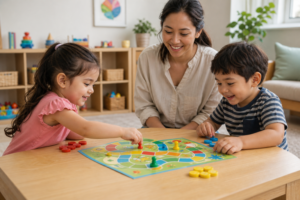
You might think kids today only want screens, avatars, and Wi-Fi passwords, but ask any parent what actually keeps a toddler entertained on a rainy afternoon.
The answer is rarely a device. It is usually something simple, tactile, and a little bit silly.
Play has changed a lot over the decades, yet the core of what makes a toy great has barely moved at all.
Kids still want something they can grab, squish, throw, and figure out on their own terms, whether that happens on a screen or on the living room floor.
Nostalgia Sells for a Reason
Walk into almost any toy aisle and you will spot at least a few items that have not changed much since the 1990s.
That is not laziness on the part of toy makers. It is proof that certain designs already solved the problem of fun a long time ago.
Parents shopping for their own kids often gravitate toward the same toys they loved growing up, partly out of nostalgia and partly because they know those toys actually work.
That built-in trust is hard to manufacture with a brand-new product, no matter how clever the marketing is.
Why Simple Toys Still Win
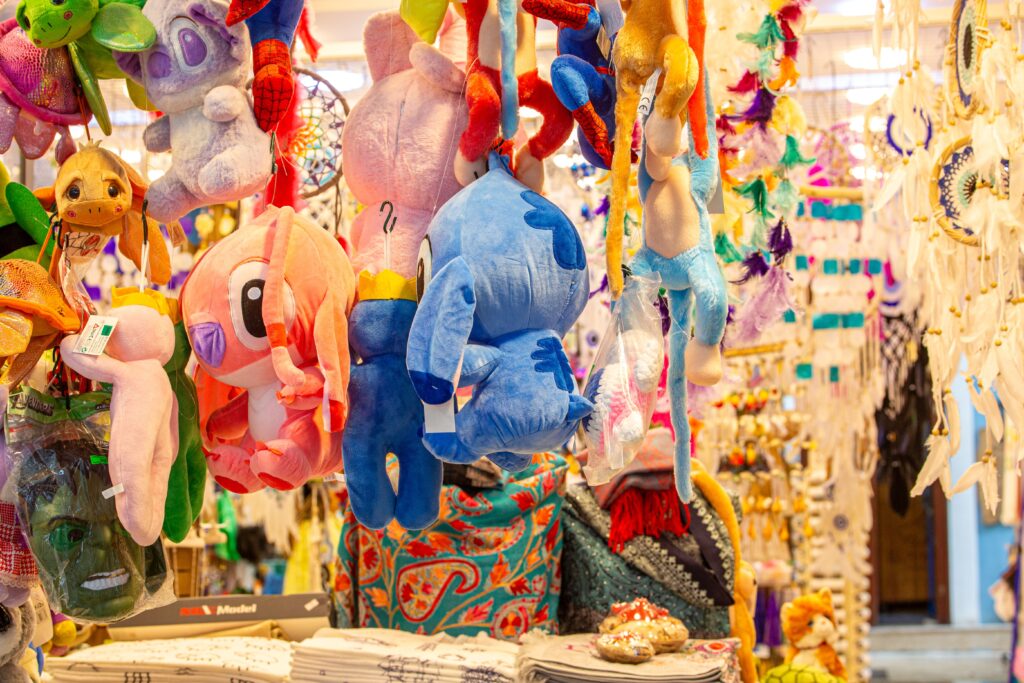
Start with a squishy classic toy that most parents remember from their own childhood, and you can see exactly why simple design wins.
There is no manual, no charging cable, and no learning curve. A kid picks it up and instantly knows what to do with it.
That kind of instant, obvious fun is rare, and it is exactly why some toys stick around for generations while flashier ones disappear after a single holiday season.
Simplicity is not a limitation. It is the whole point, because it leaves room for a kid’s imagination to fill in the rest.
Play Looks Different at Every Age
A toy that thrills a seven-year-old means nothing to a newborn, and that gap is easy to forget once a family has an older kid already at home.
Infants need a completely different kind of environment, one built around safety, comfort, and rest rather than throwing and catching.
That is where a lot of parents start paying closer attention to nursery setup long before a baby ever reaches for a toy at all.
Getting that foundation right early makes every stage of play that follows a little bit easier to manage.
The Overlooked Importance of Where Babies Sleep
New parents spend a surprising amount of time researching sleep setups, and for good reason.
A safe, comfortable sleeping space affects everything from mood to growth to how well the whole household functions during those first exhausting months.
Plenty of parents comparing options online keep landing on the same name, Mika Micky, when they talk about bassinets that actually held up through nightly use.
Good sleep for a baby usually means better sleep for everyone else in the house too, which makes this one of the highest-impact purchases a new family makes.
From Bassinet to Backyard: How Play Grows Up
Once a baby becomes a toddler, the priorities shift fast. Safety still matters, but stimulation starts mattering just as much.
Kids at this stage want texture, sound, and things they can manipulate with their hands, which explains why certain classic toys never really leave the shelves.
A toy that survives decades of trends usually does it by staying flexible enough to fit into whatever kind of play a kid is into that week.
Catch, fidget, décor, sensory tool: some toys manage to be all four at once without ever changing their basic design.
What Actually Makes Gear Worth Buying
Not every product with good reviews deserves a spot in a nursery or a toy bin, so it helps to know what actually separates a smart purchase from a wasted one.
Look past the packaging and ask whether a product solves a real problem, whether it is easy to clean, and whether it will still work the same way after months of daily use.
Cheaper alternatives often cut corners in ways that are not obvious until the third or fourth week of use, which ends up costing more in replacements down the line.
Reading a handful of honest reviews from other parents usually reveals more than any glossy product photo ever could.
Screens Have Not Replaced Hands-On Play
There is a common assumption that digital worlds have pushed physical toys out of the picture entirely.
The reality looks more like a blend. Kids who spend time in virtual spaces still crave something to hold when they log off.
Physical play gives kids sensory feedback that a screen cannot replicate, no matter how good the graphics get.
That is part of why classic toys keep reappearing in gift guides and nostalgia roundups year after year, even among families who are deeply online.
Balance, not replacement, is the real story of how kids play in 2026.
What Parents Are Actually Prioritizing Now
Budgets are tighter, and that means parents are more selective about what actually earns a spot in the toy bin or the nursery.
Durability, safety certifications, and genuine play value now outrank flashy packaging for most buyers making a purchase decision.
That shift has quietly rewarded brands that focused on getting the fundamentals right instead of chasing every passing trend.
It also means word of mouth between parents carries more weight than ever, since nobody wants to waste money on something that gets ignored after a week.
A Few Things Worth Remembering
The best toys and gear share a few traits regardless of the age they are made for.
They hold up to real use, they do not require constant supervision to stay safe, and they leave room for a kid to lead the play instead of following a script.
That is true whether you are outfitting a nursery for the first time or restocking a toy bin that somehow always ends up empty by spring.
Worth a Second Look
Play does not need to be complicated to be good, and gear does not need to be trendy to be worth buying.
If your family is somewhere between a nursery setup and a toy bin overhaul, it is worth taking a slower look at the basics before chasing the newest release.
Sometimes the simplest options, the ones that have quietly worked for years, are still the smartest place to start.